
Catastrophic injuries are severe, permanent injuries that change how you live, work, and relate to your family. In Texas, you may pursue compensation when another person or company’s negligence causes a long-term or life-altering condition that affects your health, independence, and earning capacity. These cases often involve catastrophic injuries from motor vehicle accidents, as well as serious industrial incidents and other high-impact events. In some situations, victims may need fatal & catastrophic injury legal help to understand their options. Most catastrophic injury lawsuits must be filed within two years, and Texas comparative fault rules can reduce or bar recovery if insurers convince a jury that you were largely responsible for what happened.
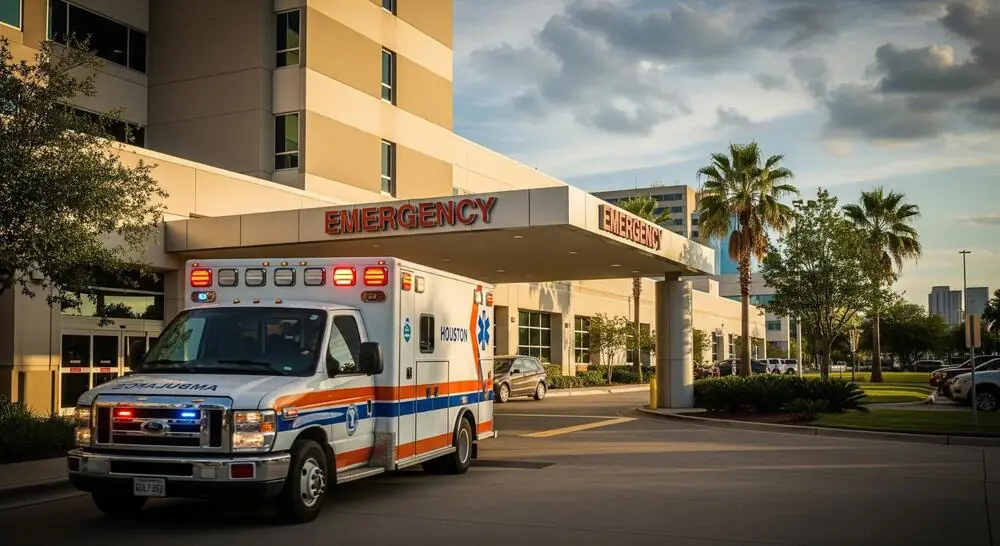
In Houston, many catastrophic injuries occur along major corridors such as I-10, I-45, I-69 and US-59, Loop 610, and Beltway 8, where heavy traffic, commercial vehicles, and complex interchanges increase the risk of high-speed collisions. These crashes may include catastrophic injuries from head-on car crashes, catastrophic injuries in hit-and-run crashes, or catastrophic injury in crashes with non-local drivers unfamiliar with local traffic patterns. Others arise in industrial and refinery settings throughout the region, including construction accidents causing catastrophic injuries and catastrophic injuries from oilfield accidents. When trauma is severe, patients are often transported directly to Level I trauma centers like the Memorial Hermann–Texas Medical Center or Ben Taub Hospital for advanced emergency care and surgery.
Catastrophic injuries have specific legal, medical, and financial characteristics under Texas law, and those characteristics drive how liability is evaluated, how damages are calculated, and how long a case may take. Understanding these elements is an important first step as you consider medical decisions, documentation, and potential legal action.
Call us today at (832) 402-8379 for a free case evaluation with an experienced Houston injury lawyer.
Table of Contents
ToggleUnder Texas personal injury law, catastrophic injuries are best understood as injuries that result in permanent impairment, serious disfigurement, or long-term loss of function rather than temporary conditions that heal completely. When an injury permanently alters how you move, think, or care for yourself, Texas law treats that change as a central part of your damages. These cases are evaluated not only by what has already happened, but by how the injury will affect the rest of your life.
Texas Civil Practice and Remedies Code section 16.003 generally gives you two years from the date of the incident to file most personal injury lawsuits, including many catastrophic injury claims. At the same time, Texas uses a modified comparative responsibility system that can bar recovery if you are found to be more than 50 percent at fault, a concept addressed more fully when we discuss the 51 percent bar rule later in this article.
Under Texas personal injury law, catastrophic injuries often include traumatic brain injuries that cause ongoing cognitive or behavioral changes, spinal cord injuries that lead to paraplegia or quadriplegia, and severe burns that require grafting and result in significant scarring. These injuries frequently arise in serious roadway incidents, including catastrophic injuries from rideshare crashes and high-speed freeway collisions. Traumatic amputations of arms, legs, hands, or feet are similarly catastrophic because they permanently change mobility and independence.
Catastrophic injury claims are different because the harm is permanent, the medical care is complex, and the financial impact extends over many years. Instead of focusing on a brief period of lost wages and a defined treatment plan, these claims must address future surgeries, rehabilitation, medications, home modifications, and assistive devices. Insurers often engage multiple experts to challenge impairment ratings, treatment recommendations, and projections of future loss. Your legal team must be prepared to present clear, well-supported evidence on each of these points, which is not always necessary in less severe cases.
An injury is considered permanent or life-altering when there is a lasting loss of function that is not expected to improve significantly, even with appropriate medical care. Physicians may assign impairment ratings under accepted guidelines to describe the degree of permanent loss. Those ratings, along with documented restrictions and functional assessments, help explain why you can no longer perform certain tasks or work in the same capacity. When you live with a long-term disability that changes your ability to work, care for yourself, or participate in activities you enjoyed before the incident, Texas law recognizes those changes as part of the damages that may be recovered from responsible parties.
Catastrophic injuries place enormous strain on individuals and families in Houston and across Harris County. You may be facing repeated hospitalizations, complex treatment decisions, and immediate financial pressure, all while trying to understand what rights you have under Texas law. In these circumstances, you need a legal team that can handle high-stakes litigation, communicate clearly, and stay focused on both present and future needs.
At Johnson Garcia, we have over 35 years of experience handling severe injury cases that require detailed analysis of liability, damages, and long-term care. Our background includes years of representing large corporations and insurance companies before we turned that experience toward helping injured people. Past results do not guarantee future outcomes, but that history gives us insight into how catastrophic injury cases are evaluated from the defense perspective and how to respond effectively.
We regularly handle catastrophic injury claims arising from serious crashes on I-10, I-45, I-69 and US-59, Loop 610, and Beltway 8, as well as incidents in Houston’s refineries, industrial facilities, and warehouses. Many of these matters involve catastrophic injuries from 18-wheeler accidents, catastrophic injury claims from car accidents, or multi-vehicle pileups. Industrial incidents may include construction accidents causing catastrophic injuries, while transportation-related cases often involve complex insurance and liability issues.
Insurers and corporate defendants often assess catastrophic injury claims by asking whether your lawyers are prepared to take a case to trial. At Johnson Garcia, we prepare severe injury cases with litigation in mind from the outset. We work with appropriate experts, develop a clear damages model, and organize evidence in a way that can be presented to a jury if necessary. When reasonable settlement is not available, we are ready to present your case in court and ask jurors to hold responsible parties accountable. That trial readiness can also influence negotiations, because defendants understand that we are prepared to continue if they do not make a fair offer.
Houston’s size, traffic volume, and industrial activity mean that catastrophic injuries can arise from a wide range of incidents. High-speed collisions on regional corridors, falls from height on construction sites, and explosions or releases in industrial facilities can all produce permanent harm. Many patients with these injuries are initially treated at Level I trauma centers such as Memorial Hermann–Texas Medical Center or Ben Taub Hospital and then continue care through rehabilitation hospitals, pain specialists, and long-term therapy programs.
Understanding the types of catastrophic injuries that commonly appear in Houston helps illustrate why these cases require careful medical documentation and long-range planning.
Traumatic brain injuries range from focal contusions and hemorrhages to diffuse axonal injuries that involve widespread shearing within the brain. Even when imaging eventually stabilizes, survivors may experience long-term cognitive impairment, including memory problems, difficulty concentrating, slowed processing, and changes in mood or personality. These changes can interfere with employment, schooling, and relationships, even when physical strength appears relatively preserved.
Spinal cord injuries can result in paraplegia, quadriplegia, or less complete forms of paralysis. Even when some function remains, people often experience weakness, numbness, spasticity, or chronic pain that limits mobility. Many need wheelchairs, braces, or other mobility aids, along with home modifications and accessible vehicles. Severe fractures, joint injuries, and nerve damage can also contribute to long-term mobility impairment and reduced stamina, which must be considered when evaluating future medical needs and earning capacity.
Industrial fires, chemical exposures, and high-energy crashes can cause third-degree and fourth-degree burns that penetrate deep tissues and require multiple surgeries. Skin grafts, flap procedures, and contracture releases may be necessary over an extended period. Traumatic amputations of limbs or digits permanently change how you move, work, and care for yourself and may require prosthetics and extensive rehabilitation. Visible scarring and disfigurement can also have significant psychological effects that affect social and occupational functioning.
High-energy impacts and industrial incidents can cause internal bleeding, organ lacerations, and crush injuries to the chest, abdomen, or pelvis. These injuries often require emergency surgery and intensive care, followed by long-term monitoring for complications such as organ dysfunction, chronic pain, or reduced endurance. Even when external signs are limited, internal organ damage can create permanent limitations that must be carefully documented and incorporated into any damages analysis.
Catastrophic injuries in Houston tend to follow recognizable patterns tied to the region’s traffic network and industrial base. High-speed collisions may result in catastrophic injuries from head-on car crashes, while fleeing drivers can leave victims with catastrophic injuries in hit-and-run crashes. In other cases, catastrophic injury in crashes with non-local drivers occurs when unfamiliarity with Houston’s roadways contributes to severe collisions. Major corridors such as I-10, I-45, I-69 and US-59, Loop 610, and Beltway 8 carry dense commuter traffic, freight, and commercial vehicles. Complex interchanges, lane changes, and speed differentials increase the risk of serious crashes that can cause high-impact trauma. At the same time, industrial and refinery zones around the Houston Ship Channel and throughout the energy corridor involve heavy equipment, hazardous materials, and high-pressure systems that can produce severe injuries when something goes wrong.
Recognizing how these incidents occur helps guide investigation and evidence collection after a catastrophic injury.
Corridors like I-10, I-45, and I-69 and US-59 are among the busiest routes in the Houston area, with a mix of passenger vehicles, delivery trucks, and 18-wheelers. Interchanges along Loop 610 and Beltway 8 often combine congestion, short merge areas, and sudden slowdowns that increase the risk of high-speed rear-end collisions, side-impact crashes, and rollovers. When catastrophic injuries occur in these locations, it is important to examine factors such as speed, visibility, traffic control devices, and any history of prior crashes in the area.
Industrial sites and refineries in and around the Houston Ship Channel and the energy corridor present unique hazards. Incidents in these areas may include catastrophic injuries from oilfield accidents, fires, explosions, or equipment failures. Determining responsibility often requires investigation into safety procedures, contractor relationships, and regulatory compliance. Incidents may involve explosions, fires, toxic releases, or mechanical failures. Workers, contractors, and sometimes nearby residents can be affected. These cases can require close review of safety policies, equipment maintenance, contractor relationships, and regulatory compliance. Multiple companies may share responsibility, and determining who controlled the work and the equipment at the time of the incident is often central to liability.
Houston’s highways carry significant heavy truck and 18-wheeler traffic. When these vehicles collide with smaller passenger vehicles, the size and weight difference can result in catastrophic injuries. Federal safety rules govern issues such as driver hours-of-service, vehicle inspection and maintenance, and cargo securement. Electronic control module or black-box data, driver logs, dispatch records, and company safety manuals often become critical evidence in understanding how and why a catastrophic trucking crash occurred.
Several parties may share responsibility for a catastrophic injury, especially when the incident occurs on a busy highway, a construction site, or an industrial facility. Determining who is legally liable requires a careful review of how the incident happened, who controlled the location, who operated the vehicles or equipment, and what safety rules applied. In many cases, multiple defendants may be involved, including individuals, companies, and contractors.
In Texas, liability is influenced by comparative responsibility rules that assign percentages of fault to each party, including you. If your share of responsibility exceeds 50 percent, you may be barred from recovering damages under Civil Practice and Remedies Code section 33.001. That 51 percent bar rule makes detailed investigation and evidence preservation especially important in catastrophic cases, because the financial stakes are high and defendants may attempt to shift blame.
In a catastrophic injury case, potential defendants may include negligent drivers, employers, property owners, contractors, subcontractors, or product manufacturers. For example, a trucking company may be liable for hiring an unsafe driver, failing to maintain its vehicles, or pressuring drivers to violate safety rules. A refinery owner or contractor may be liable for unsafe procedures, inadequate training, or failing to correct known hazards. Identifying which entities had control over the vehicles, equipment, and work site is essential to building a complete liability picture.
Many catastrophic injury cases involve overlapping responsibility among multiple defendants. Texas Civil Practice and Remedies Code Chapter 33 governs how responsibility and damages are allocated among them. In these situations, we may pursue evidence to show how each party’s decisions and actions contributed to the incident, and to counter attempts to place excessive blame on you. A clear understanding of each defendant’s role can help the jury assign fault fairly and help protect your right to recover compensation.
Johnson Garcia has helped Texans recover over 200 million after serious accidents—let us fight for you next.
Damages in a catastrophic injury case extend far beyond immediate hospital bills and short-term wage loss. Texas law allows you to pursue compensation for both economic and non-economic losses, including future medical care, loss of earning capacity, and the impact of ongoing pain and limitations on your daily life. Because catastrophic injuries often require lifelong care, thoughtful damage modeling is critical.
A comprehensive evaluation typically includes projected future medical expenses, costs of durable medical equipment and home modifications, the expense of attendant or in-home care, and the value of lost income over a working lifetime. It also includes non-economic damages for pain, suffering, and loss of enjoyment of life, subject to any applicable statutory caps.
In many catastrophic cases, a life-care plan is developed to outline expected medical and support needs over time. This plan may address ongoing physician visits, surgeries, therapies, medications, rehabilitation, equipment, and home health assistance. The goal is to translate your long-term medical requirements into a structured projection of future costs so that those needs can be clearly presented in settlement negotiations or at trial.
Catastrophic injuries often disrupt careers. You may be unable to return to your prior job, may need to move into lower-paying work, or may be unable to work at all. Loss of earning capacity focuses on what you likely would have earned over time if the injury had not occurred, compared to what you can reasonably earn now. Vocational and economic experts may be involved in assessing your skills, education, work history, and medical restrictions to quantify that loss.
Non-economic damages in catastrophic injury cases address the physical pain, emotional distress, and loss of enjoyment of life that come with permanent disability or disfigurement. These harms are real, even though they are not easily reduced to numbers. Chronic pain, sleep disturbances, anxiety, depression, and the loss of valued activities can all be part of your claim. Texas law allows juries to consider these factors, subject to any applicable statutory caps, when determining fair compensation.
Several Texas statutes directly affect catastrophic injury claims, including deadlines for filing lawsuits, caps on certain types of damages, and rules for wrongful death and survival actions. Understanding these laws helps you avoid missed deadlines and unrealistic expectations about potential recovery.
Texas Civil Practice and Remedies Code section 16.003 sets the general limitations period for many personal injury and wrongful death claims. Other provisions, such as section 41.008 and section 74.301, place caps on punitive damages and certain medical malpractice damages. Chapter 71 governs wrongful death and survival actions, and section 33.001 explains the 51 percent comparative responsibility bar. These rules interact in different ways depending on the facts of your case.
Texas Civil Practice and Remedies Code section 16.003 generally gives you two years from the date of the injury or death to file most personal injury and wrongful death lawsuits. Some claims may have different or shorter deadlines, especially when government entities are involved, so it is important to evaluate timelines promptly.
Texas law caps certain categories of damages. Section 74.301 limits non-economic damages in many medical malpractice cases, while section 41.008 caps exemplary or punitive damages in most civil cases. These caps do not apply to every catastrophic injury claim, but they can significantly affect cases involving medical negligence or claims for punitive damages.
When a catastrophic injury results in death, Texas Civil Practice and Remedies Code Chapter 71 allows certain family members to bring a wrongful death action for their own losses and a survival action on behalf of the estate. These claims can seek damages for loss of companionship and support, as well as medical expenses and other losses incurred before death. Shorter timelines and specific standing rules often apply, so early evaluation is important.
Under Texas comparative responsibility rules, you cannot recover damages if you are found to be more than 50 percent responsible for the incident. If you are 50 percent or less at fault, your recovery is reduced by your percentage of responsibility. In catastrophic cases, defendants often argue that your conduct was a major cause of the incident, because a small shift in percentages can have a significant financial impact. Thorough investigation and clear presentation of the facts are essential to counter these arguments.
After a catastrophic injury, you are likely focused on immediate medical needs, but certain practical steps can help protect your health and your legal rights. Proper documentation and early attention to potential evidence can make a substantial difference later, especially when liability is disputed or multiple parties may be involved.
When possible, you should follow medical recommendations closely, attend scheduled appointments, and keep copies of your records and discharge instructions. Keeping a simple journal of symptoms, limitations, and major events can also help explain how the injury affects daily life over time.
Serious injuries require prompt medical evaluation, and Level I trauma care is often recommended when possible for life-threatening or complex trauma. Once your immediate safety is addressed, it can be helpful to preserve photos of the scene, vehicles, equipment, or hazards, as well as photographs of visible injuries and medical devices. You should keep copies of insurance information, incident reports, and contact details for witnesses or involved companies so that this information is available later.
After a catastrophic injury, insurers may contact you quickly to obtain statements or discuss settlement. You should avoid minimizing your symptoms, speculating about fault, or signing broad releases or settlement documents before you understand your diagnosis and long-term outlook. Early offers may not reflect the full value of a catastrophic claim, especially when future medical needs and loss of earning capacity have not yet been evaluated.
Building a strong catastrophic injury case in Houston requires a structured approach to investigation, liability analysis, medical documentation, and damages modeling. At Johnson Garcia, we focus on gathering and preserving evidence early, working with appropriate experts, and presenting a clear narrative of how the incident occurred and how the injury has changed your life.
Our process often includes examining physical evidence, reviewing safety procedures, and obtaining detailed medical records, along with consulting specialists who can explain complex issues to a jury. We aim to connect each piece of evidence to specific legal elements, including duty, breach, causation, and damages, so that the case is grounded in both facts and law.
In catastrophic cases involving trucks or commercial vehicles, we may move quickly to obtain electronic control module or black-box data, driver logs, inspection records, and company safety manuals. In industrial or refinery incidents, we may seek maintenance records, incident reports, training materials, and information about contractor relationships. Site inspections and photographs can help document conditions before they change. Preserving this evidence early is often critical to understanding what went wrong and who is responsible.
Catastrophic injury cases frequently require input from multiple experts. Treating physicians and medical specialists can explain the diagnosis, prognosis, and anticipated future care. Life-care planners, economists, and vocational experts can help quantify future medical expenses and loss of earning capacity. Industry and safety experts can clarify how the incident should have been prevented under applicable standards. We work with these professionals to build a coherent picture of both liability and damages.
For catastrophic injuries, we develop a damages model that accounts for long-term medical needs, attendant care, equipment, and the economic impact of reduced earning capacity. This often involves integrating information from life-care plans, vocational assessments, and economic projections. The goal is to present your future needs in clear, understandable terms so that decision makers can fully appreciate what will be required to support your health and independence over time.
Although many catastrophic injury cases resolve through settlement, some require trial. We prepare for that possibility by organizing evidence, refining witness testimony, creating demonstrative aids, and anticipating common defense strategies. When negotiations do not result in a fair resolution, being ready for trial allows us to present a compelling case for accountability and compensation.
Recovering from a catastrophic injury often involves a network of hospitals, rehabilitation facilities, and community resources. Houston’s medical infrastructure offers significant capacity for both emergency care and long-term rehabilitation, which can be an important factor in your recovery journey.
You and your family may interact with multiple providers over time, including trauma surgeons, rehabilitation specialists, therapists, and counselors. Understanding the roles of major facilities can help you coordinate care and plan for the next phases of treatment.
Houston is home to Level I trauma centers such as Memorial Hermann–Texas Medical Center and Ben Taub Hospital. These facilities provide advanced emergency care for complex injuries, including access to specialized surgical teams, intensive care units, and support services. Many catastrophic injury patients begin their treatment at one of these centers before transitioning to other facilities for ongoing care.
Rehabilitation plays a central role in recovery after traumatic brain and spinal cord injuries. Facilities such as TIRR Memorial Hermann offer comprehensive programs that may include physical therapy, occupational therapy, speech therapy, and neuropsychological support. These services focus on maximizing function, promoting independence, and teaching strategies for adapting to long-term limitations.
Community and family support can be critical after a catastrophic injury. Local organizations, faith communities, and support groups may offer counseling, respite care, transportation assistance, and educational resources. Social workers and case managers at hospitals and rehabilitation facilities can often help you identify programs that match your needs and connect you with additional services in the Houston area.
What is considered a catastrophic injury in Texas?
A catastrophic injury is generally a severe, permanent injury that causes long-term impairment, disfigurement, or loss of function. Examples include traumatic brain injuries, spinal cord injuries, severe burns, amputations, and serious organ damage that permanently affect work and daily life.
In many cases, you have two years from the date of the incident to file a lawsuit under Texas Civil Practice and Remedies Code section 16.003. Some claims, including those involving government entities or certain medical providers, may have different or shorter deadlines.
Texas follows a modified comparative responsibility system. If you are 50 percent or less at fault, your recovery may be reduced by your share of responsibility. If you are more than 50 percent at fault, you may be barred from recovering damages.
Damages typically include past and future medical expenses, loss of earning capacity, and non-economic losses such as pain, suffering, and loss of enjoyment of life. In severe cases, life-care plans and expert economic projections are often used to estimate long-term costs.
Most catastrophic cases involve experts, including medical specialists, life-care planners, vocational experts, economists, and industry or safety professionals. These experts help explain complex issues and support your claim for future medical needs and economic loss.
Timelines vary widely. Some cases resolve within a year or two, while others take longer due to the severity of the injuries, the number of defendants, and disputes over liability or damages. Ongoing medical treatment and the need to understand long-term prognosis can also affect timing.
Texas law allows certain family members to bring wrongful death and survival actions when a catastrophic injury results in death. These claims can seek damages for the family’s losses and for harms suffered by the person before death, subject to specific standing and deadline rules.
Companies can be held liable when their employees, policies, or practices contribute to a catastrophic injury. Examples include negligent hiring, inadequate training, unsafe procedures, and failure to maintain equipment. Multiple entities may share responsibility in industrial or trucking cases.
Many catastrophic injury cases settle before trial, but some proceed to a jury. Whether a case goes to trial depends on liability disputes, the strength of the evidence, and whether defendants are willing to offer fair compensation. We prepare severe cases with the expectation that trial may be necessary.
At Johnson Garcia, we handle catastrophic injury cases on a contingency fee basis. That typically means you do not pay attorney’s fees unless we recover compensation for you. Court costs and case expenses may be handled separately, and we will explain those details during your consultation.
A catastrophic injury in Houston can change every part of your life in a matter of moments. You may be facing intensive medical treatment, uncertain long-term needs, and serious financial pressure, all while trying to understand your legal options. You do not have to navigate those questions alone.
At Johnson Garcia, we bring over 35 years of experience to severe injury cases throughout Houston and across Texas. We understand how to investigate complex incidents, work with medical and economic experts, and prepare cases for trial when necessary. We offer free consultations, and we handle catastrophic injury cases on a contingency fee basis, so you typically do not pay attorney’s fees unless we recover compensation for you.
If you or a loved one has suffered a catastrophic injury, you can contact us to discuss your situation, learn how Texas law applies, and explore your options for moving forward. Reach out today.
START YOUR JOURNEY TOWARDS JUSTICE
START YOUR JOURNEY TOWARDS JUSTICE
 CALL NOW