
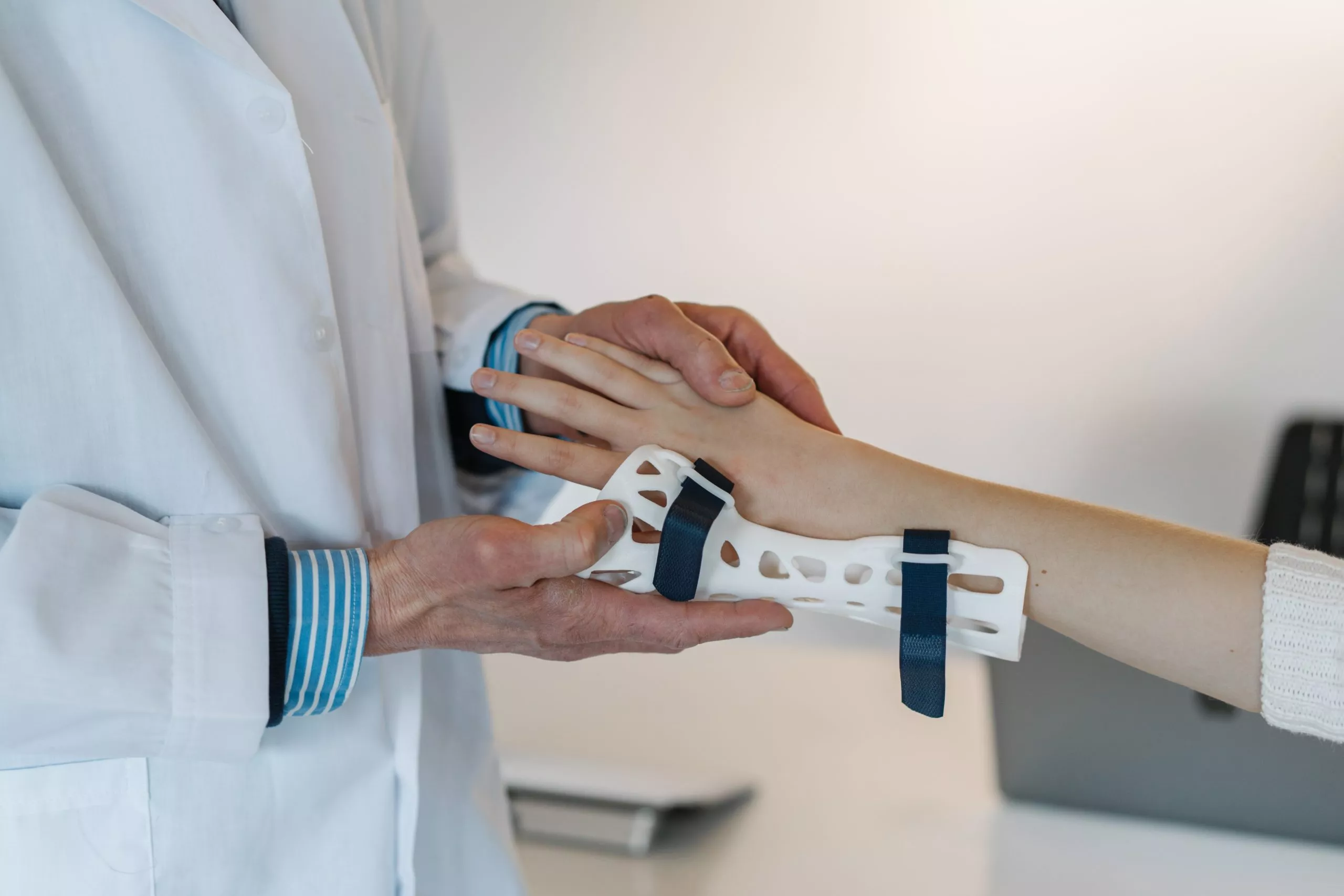
Personal Injury Protection in Texas is a no fault auto insurance coverage that helps pay medical expenses, a portion of lost wages, essential household services, and funeral costs up to the available policy limits. This coverage applies regardless of fault. Many drivers in Houston and across Texas have PIP because insurers must offer it unless the policyholder rejected it in writing.
Table of Contents
ToggleWhat Is Personal Injury Protection in Texas?
Personal Injury Protection is a first party auto insurance benefit that provides immediate financial support after a collision. It helps individuals manage urgent expenses during the early stages of recovery. The protection applies to the named insured, covered household family members, and authorized passengers. Because PIP is a no fault benefit, claims can be submitted without waiting for a liability decision. Texas insurers must offer PIP unless the customer signs a written rejection. Many Houston area drivers who regularly travel along Beltway 8, I 45, or I 10 hold this coverage because they never signed such a rejection.
What Does Personal Injury Protection Mean Under Texas Law?
Personal Injury Protection is a first party, no fault auto insurance coverage that must be offered under Texas Insurance Code Section 1952 unless rejected in writing by the policyholder. No fault means the insurer evaluates the claim regardless of how responsibility for the accident is determined. PIP pays reasonable and necessary medical bills, a portion of income loss, essential household services, and funeral expenses. These benefits apply within the policy limits and are designed to provide early financial support while a liability claim progresses.
Is PIP Automatically Included in Texas Auto Policies?
Texas Insurance Code Section 1952.152 requires insurers to include PIP in every auto insurance policy unless the customer rejects it in writing. A verbal rejection is not sufficient. Many Texans carry PIP without realizing it because they never signed the required waiver. In Houston, where drivers experience frequent congestion and collisions on major roadways, this leads to many policyholders unexpectedly discovering they have PIP coverage after a crash.
What Does PIP Actually Pay For After a Texas Car Accident
PIP pays for several categories of financial loss that arise soon after a collision. These benefits apply to each covered individual involved in the crash and are paid up to the available policy limits. Because PIP does not require fault determinations, it provides faster access to funds than many other forms of coverage.
Covered Medical Expenses, Funeral Costs, and Other Eligible Charges
Medical expenses are covered when they are reasonable, necessary, and related to the accident. Under Texas Insurance Code Section 1952.151, these charges must directly result from collision-related injuries. Covered medical expenses often include
- Ambulance transportation
- Emergency room care
- Hospital treatment
- Diagnostic imaging such as X rays or CT scans
- Physical therapy
- Follow up medical visits
- Prescription medications
- Mobility devices such as crutches or braces
PIP also provides limited funeral expense benefits when a collision results in loss of life. These costs are paid within the policy limits and must fall within the applicable three year claim window. This support can help families manage immediate expenses during a difficult time.
Lost Income and Essential Household Services
PIP reimburses a portion of lost income when injuries prevent the policyholder from working. Many policies reimburse approximately 80 percent of documented lost wages, although exact amounts depend on policy terms. Verification from employers or tax records is generally required.
PIP also pays for certain essential household services that the injured person cannot perform because of accident-related injuries. These services may include childcare, transportation assistance, and routine household tasks. Payment for these services is limited by the policy amount and requires documentation showing the necessity of replacement services.
Real World Situations Where PIP Applies in Texas
A common example might involve a driver who is rear ended on the 610 Loop and requires emergency evaluation. The driver can submit ambulance and emergency room bills, early diagnostic imaging, and follow up treatment costs to PIP. If the injury prevents the driver from working for several days, wage reimbursement may also apply. Essential household services may be covered when the injured person temporarily cannot manage daily tasks that must be completed for normal functioning.
Who Is Protected Under a Texas PIP Policy?
PIP applies to more individuals than many policyholders expect. The coverage follows the insured vehicle and the insured household rather than focusing solely on the named driver. This structure allows multiple people to access benefits from a single policy after a collision.
Coverage for Drivers, Household Family Members, and Passengers
The named insured is covered when injured in a collision involving the insured vehicle. Household family members are also covered, which usually includes relatives who live full time in the same residence. Authorized drivers are protected when they operate the insured vehicle with permission. Passengers riding in the insured vehicle at the time of the crash are covered as well. This broad coverage structure ensures that most individuals in the vehicle receive access to PIP benefits when injuries occur.
What PIP Does Not Cover
PIP does not pay for vehicle repairs. It does not cover property damage of any kind. It does not pay for pain and suffering or other non economic damages. It does not pay expenses incurred by the other driver or their passengers. These exclusions reinforce that PIP is intended only to address immediate economic losses for the insured and covered individuals.
Coverage Limits, Claims Process, and How PIP Is Paid in Texas
PIP limits determine the maximum amount available for each covered person. Claims are processed based on documentation and are typically paid faster than liability claims. Understanding how limits work and how to file a claim helps individuals receive benefits promptly.
Common PIP Coverage Levels and How Limits Work Per Person
Texas insurers must offer a minimum PIP amount of 2,500 dollars. Many policies increase this amount to 5,000 or 10,000 dollars. These limits apply per person and per crash. For example, if three occupants in the same vehicle are injured in a collision, each person may receive the full available PIP limit for their injuries. This structure ensures fair access to benefits regardless of how many individuals are involved.
How To File a PIP Claim After a Texas Crash
A PIP claim begins by notifying the insurer soon after the collision. Medical bills, treatment records, and diagnostic reports must be submitted for medical expense consideration. Wage verification from an employer or tax documentation is required for income reimbursement. Documentation showing the need for replacement household services must also be provided when claiming those expenses. PIP often pays faster than liability coverage because the insurer does not need to determine fault before issuing benefits. Insurers may request additional information, but PIP claims generally move more quickly than fault based claims.
How PIP Interacts With Other Insurance in a Texas Car Accident Claim
PIP pays medical expenses regardless of whether the injured person has health insurance. Health insurance may still cover additional treatment once PIP funds are exhausted. MedPay provides medical payments without income or household service components. Understanding these distinctions helps individuals determine how to combine coverage effectively. Uninsured and underinsured motorist coverage may supplement PIP when the at fault driver lacks sufficient liability insurance. Coordinating these different forms of coverage ensures that all available benefits are used efficiently.
Why PIP Alone Often Is Not Enough After a Serious Crash
Serious injuries can generate medical expenses that exceed PIP limits quickly. Lost earning capacity may also extend far beyond available benefits. For example, a collision on a rural Texas highway that causes extensive injuries could result in immediate medical costs that surpass the maximum PIP limit. In such situations, liability coverage, UM or UIM benefits, and health insurance often play significant roles in covering remaining losses.
How Lawyers Help Maximize Available Coverage
Legal guidance can help policyholders understand how different coverages interact. Johnson Garcia reviews available policies, organizes required documentation, and helps coordinate benefits in the correct order. This approach ensures that policyholders use all applicable coverage sources and avoid overlooking benefits that can reduce out-of-pocket expenses.
When To Consider Calling a Lawyer About a PIP or Auto Insurance Claim in Texas
PIP provides early support, but certain complications may require legal guidance. When disputes arise regarding required documentation, eligibility, or available limits, assistance from an attorney can help resolve the issue and clarify next steps.
Red Flags That Suggest You Should Get Legal Guidance
Delays in payment, denied claims, unclear wage documentation, and questions about available limits may indicate the need for legal review. Claims involving multiple coverages, such as PIP combined with UM or UIM benefits, can also create confusion for policyholders seeking full compensation. If you need help, contact Johnson Garcia to discuss insurance policies and better understand the options available to you.
