
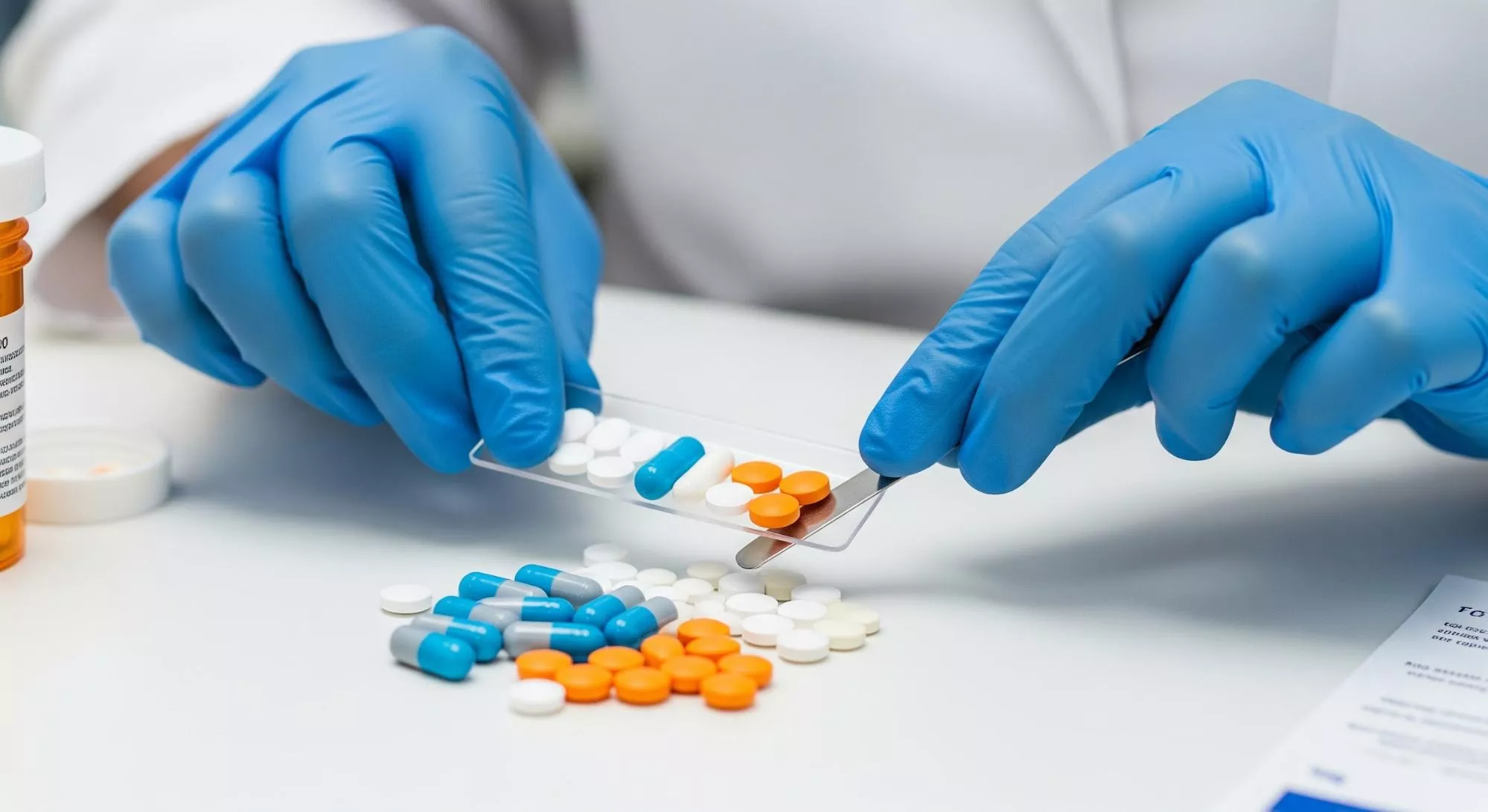
Generic drugs and complex medication regimens are a routine part of care for patients in Houston and across Texas. When substitutions and refills are handled carefully, most people never notice the behind-the-scenes decisions about manufacturers, formulations, and interaction alerts. Problems arise when “equivalent” products are treated as interchangeable without proper review, or when serious interaction or contraindication warnings are ignored. A change in manufacturer, an added prescription from a different doctor, or an incomplete medication list can be enough to trigger bleeding, loss of seizure control, heart rhythm problems, severe sedation, or other preventable complications.
Table of Contents
ToggleWith over 35 years of experience and a Houston office representing clients across Texas, the attorneys at Johnson Garcia are experienced litigators who handle complex pharmacy error and drug interaction cases. We are prepared to examine substitution decisions, interaction alerts, and medication records and, when the evidence supports it, to file a lawsuit and take a case to trial in Texas courts if needed.
How Generic Substitution Works and Why “Equivalent” Can Still Create Risk
In Texas, a pharmacist may substitute a generic drug that has the same active ingredient, dosage form, strength, and route as the brand product, as long as state substitution rules are followed and the prescriber has not clearly prohibited substitution. Pharmacists often rely on the Food and Drug Administration’s Orange Book, which assigns therapeutic equivalence codes, to determine when a generic is considered an acceptable substitute.
Even when two products are deemed therapeutically equivalent, risk remains for individual patients. Bioequivalence studies allow for a range of drug exposure rather than identical values in every person. Manufacturers may use different binders, dyes, or other inactive ingredients. Patients taking narrow therapeutic index medications, or those with kidney or liver impairment, may react to relatively small shifts in exposure. Allergies and sensitivities to inactive ingredients can also make one product unsafe when another was tolerated.
Understanding how these substitution decisions are made requires a closer look at therapeutic equivalence and the FDA Orange Book.
What Does “Therapeutic Equivalence” Mean, and What Is the FDA Orange Book?
The FDA’s Orange Book is a federal reference that lists approved drug products and, for many brand–generic pairs, assigns therapeutic equivalence (TE) codes. Pharmacists in Texas, including those in Houston, use these codes along with state substitution rules to decide whether a generic is considered an acceptable substitute for a prescribed brand-name drug. Codes such as AB indicate that a generic has been reviewed and found therapeutically equivalent to a reference product under the FDA’s criteria.
Therapeutic equivalence generally means that:
- The active ingredient, strength, dosage form, and route of administration match
- Studies support similar drug availability in the body for typical patients
- The products are expected to have the same clinical effect and safety profile when used as labeled
These determinations are made based on data from general populations. They do not guarantee that every individual Texas patient will respond in the same way or without complications. That distinction becomes important when comparing generic substitution with broader therapeutic substitution.
What Is the Difference Between Generic Substitution and Therapeutic Substitution in Texas?
Generic substitution typically means replacing a brand-name drug with a therapeutically equivalent generic that has the same active ingredient, strength, dosage form, and route, subject to Texas substitution rules and any prescriber instructions.
Therapeutic substitution is different. It involves switching to a different drug within the same therapeutic class. That change usually requires direct involvement from the prescriber and is more complex from both a clinical and legal standpoint.
The differences are easier to see in a simple comparison:
| Type | What Changes | Who Must Approve |
| Generic Substitution | Manufacturer or formulation; active ingredient stays the same | Pharmacist within Texas substitution rules |
| Therapeutic Substitution | Active ingredient changes within the same drug class | Prescriber together with the pharmacist |
| Brand as Written (No Substitution) | No change from the brand product ordered | Prescriber by directing that no substitution occur |
Even where the rules allow generic substitution, certain patients can still be harmed by a change that appears routine on paper.
Can a Generic Substitute Cause Harm Even if It Is Allowed Under the Rules?
A permitted generic substitution can still be harmful for some patients in Houston and across Texas. For example:
- A patient with a known allergy or intolerance to a dye, preservative, or other excipient may react to a substituted product even though the active ingredient is the same
- Someone taking a narrow therapeutic index medication may be sensitive to relatively small shifts in drug exposure when moving between manufacturers
- Patients with kidney or liver impairment may process a new formulation differently, altering drug levels in the body
Drug interaction or contraindication problems can turn an otherwise acceptable substitution into a dangerous situation. A change in manufacturer or formulation may slightly increase drug exposure or interact differently with a complex regimen. If pharmacists do not recognize those issues during drug regimen review, the result can be bleeding, heart rhythm changes, loss of seizure control, loss of blood pressure control, or other serious outcomes.
Examples of When an Allowed Substitution May Still Be Risky
- A patient has a documented allergy or intolerance to an ingredient found in the substituted product, such as a specific dye or preservative
- A narrow therapeutic index medication is switched to another manufacturer, shifting exposure enough to affect seizure control, cardiac rhythm, or other sensitive outcomes
- A person takes multiple interacting medications and a change in exposure or formulation pushes the overall regimen toward toxicity
Because of these possibilities, some Texas patients benefit from checking with their prescriber before agreeing to certain generic switches.
When Should Houston Patients Talk to the Prescriber Before Switching to a Generic?
There are situations where asking the prescriber about substitution is a prudent step. Examples include patients who:
- Take narrow therapeutic index medications
- Have previously experienced problems when switching between brands and generics or between generic manufacturers
- Have recently been discharged from a hospital after major medication changes
- See several prescribers for complex conditions and multiple drugs
In Houston and throughout Texas, communicating with both the prescriber and the pharmacist is part of safe care. Asking questions about a proposed change helps ensure that everyone understands the full regimen and any special concerns. Clear communication also supports accurate documentation and reduces the risk of misunderstandings.
Texas Rules for Generic Substitution and Patient Notification
Texas law sets specific requirements for when a pharmacist may substitute a generic product and when substitution is not permitted. If a prescriber clearly indicates that substitution should not occur, for example through a dispense-as-written directive or an equivalent notation that meets state standards, the pharmacist must honor that instruction. In other cases, substitution may be allowed when a therapeutically equivalent product exists, the conditions of Texas law are satisfied, and no specific prohibition applies. Extra care may be required for certain drugs, including some narrow therapeutic index medications.
Texas also sets rules for how and when patients must be told that substitution has occurred. These rules apply to pharmacies statewide, including those in Houston and Harris County. Notification requirements give patients information they need to recognize that pills may look different, formulations may have changed, and substituted products might explain new symptoms.
Core Texas Substitution Rules
- Prescribers can block substitution by issuing clear instructions that require the brand product or prohibit generics
- Pharmacists must meet statutory conditions, such as the presence of a therapeutic-equivalence-rated generic, before substituting
- Texas rules require that patients receive notice when substitution occurs, through labeling or other communications
- Narrow therapeutic index medications may call for extra caution when changing manufacturers, and Texas law recognizes the importance of consistency in some circumstances
These rules help define when a pharmacist may or may not switch a patient to a different product and what must be shared with the patient.
Can I Refuse a Generic Substitution in Texas?
A patient in Texas can express a preference for brand-name medication and may decline a generic in some circumstances, especially when the prescriber is willing to specify that only the brand should be used. In practice, this often requires coordination among the patient, prescriber, pharmacy, and insurer, because coverage and copays may differ between brand and generic products.
Any decision to avoid substitution should be documented, and the prescriber should understand the reasons behind it. When the prescriber supports the plan and issues clear instructions, the pharmacy can align its practices accordingly. Without that coordination, misunderstandings can occur at the pharmacy counter.
When Is a Pharmacist Not Allowed to Substitute a Generic Drug?
A pharmacist is not allowed to substitute a generic drug when a prescriber has given a clear directive that prohibits substitution under Texas law. Instructions such as “dispense as written” or other designations that satisfy state standards eliminate the option to change the product unless the prescriber modifies the order.
Substitution is also not permitted when no therapeutic-equivalence-rated generic exists for the prescribed medication. For some narrow therapeutic index drugs and other sensitive therapies, changes in manufacturer or product may require direct prescriber involvement under Texas law and related guidance. These limits are designed to protect patients whose safety depends on consistent formulations and predictable exposure.
What Notice Is a Pharmacy Required to Give When It Substitutes a Drug?
When a substitution occurs, Texas requires that patients be given adequate notice so they understand that the product they receive is not exactly the same as the one written on the prescription. In a Houston pharmacy, that notice may appear:
- On the label language
- In written information provided with the medication
- In signage or posted notices that explain substitution practices
In drive-through and mail-order settings, labels and written materials often carry much of the burden of informing the patient. Notification is a safety tool: a patient who knows substitution occurred is more likely to notice that pills look different, to connect new symptoms to a recent change, and to mention those facts to clinicians if problems develop.
How Do Texas Rules Treat Narrow Therapeutic Index Drugs and Refills?
Narrow therapeutic index drugs are medications where small changes in blood levels can cause the treatment to fail or can produce toxicity. Many therapies for heart rhythm disorders, seizures, thyroid disease, and similar conditions fall into this category. Texas law and professional guidance recognize that consistent manufacturer and product selection are especially important for these drugs.
When pharmacies change manufacturers or products for narrow therapeutic index medications, additional care and prescriber involvement may be appropriate. For some drugs, maintaining the same product from refill to refill is strongly preferred. This consistency helps reduce the risk that a modest change in exposure will cause a significant clinical effect. These concerns intersect with generic substitution decisions, interaction screening, and the duties pharmacists have under Texas rules when they review a patient’s regimen.
Drug Interaction and Contraindication Failures: What Pharmacists Are Supposed to Screen For
A drug regimen review is the pharmacist’s evaluation of a patient’s medication profile before dispensing a prescription. In Texas, pharmacists are expected to examine the overall regimen, including prescriptions on file at that pharmacy, and to consider risks arising from the combination of drugs and the patient’s history. This duty applies in everyday community practice, including Houston pharmacies.
As part of this process, pharmacists should screen for several categories of problems.
Core Items a Drug Regimen Review Should Catch
- Allergies recorded in the patient profile that conflict with the prescribed or substituted drug
- Drug–drug interactions that meaningfully increase risk when medications are combined
- Contraindications based on disease states or conditions that make a drug unsuitable for a particular patient
- Duplicate or overlapping therapy in the same class that increases exposure beyond what was intended
- Dose or duration problems, including excessively high doses or treatment courses that are too long for safety
Interaction screening is a central part of this review and requires both computerized tools and professional judgment.
What Is a Drug Interaction, and How Is It Supposed to Be Caught in a Texas Pharmacy?
A drug interaction occurs when one medication affects how another works or is processed in the body. One drug may raise the level of another, leading to toxicity, or a combination may greatly increase the risk of specific side effects, such as bleeding, arrhythmia, or sedation. For example, a blood thinner combined with another agent that raises bleeding risk can lead to dangerous outcomes that would not occur with either drug by itself.
Pharmacies in Texas typically use computer systems that generate alerts when potential interactions are detected. Pharmacists are expected to review these alerts, decide whether they are clinically significant for the specific patient, and take appropriate action. This may include contacting a prescriber, modifying the regimen, counseling the patient, or documenting a reason to proceed. When those steps are rushed or skipped, serious interactions can be missed.
What Is a Contraindication, and Why Does It Matter for Generic Substitution and Refills?
A contraindication is a situation in which a particular drug should generally not be used because the risks outweigh potential benefits for a given patient. One common type involves allergies or severe prior reactions. If a profile for a Texas patient lists a true allergy to a medication or class, that information should typically block dispensing of that drug or closely related drugs.
Contraindications also matter when generics are substituted and when refills are changed. A substituted product might contain an excipient that the original did not, creating risk for a patient with a specific intolerance. A new combination of drugs may create a contraindicated situation even if each drug alone was previously acceptable. If pharmacists do not carefully review contraindications, manufacturer or product changes can trigger harm that might otherwise have been avoided.
What Is a Drug Regimen Review, and What Must a Pharmacist Check Before Dispensing?
A drug regimen review is more than a quick glance at a new prescription. It is a structured review of the entire medication profile maintained by the pharmacy, considered alongside the current prescription. In Texas, this includes confirming the drug, dose, route, and directions and checking the profile for allergies, other medications, and documented conditions that may affect safety.
Before dispensing, a pharmacist should confirm that the proposed regimen is reasonable and that no significant interactions, contraindications, or therapy duplications have been overlooked. This process is a key safeguard against substitution and interaction failures. When it is reduced to a perfunctory step or delegated without adequate oversight, errors are more likely to slip through.
Are Pharmacies Required to Let Patients Speak With a Pharmacist About Interactions?
Texas rules require that pharmacies provide patients with the opportunity to receive counseling from a pharmacist. In practice, that means a pharmacist should be available to answer questions about new prescriptions, interactions, substitutions, and other concerns. In Houston, this applies to in-store pharmacies as well as drive-through and mail-order operations, even though the exact counseling process may differ by setting.
Counseling is a chance for patients to mention other medications, supplements, and conditions that may not be fully reflected in the pharmacy profile. It also allows pharmacists to explain when a generic has been substituted, what the patient should expect, and what warning signs to watch for. Patients who are discouraged from speaking with a pharmacist or who never receive an offer of counseling lose an important layer of protection.
Common Real-World Scenarios That Lead to Harm After Substitution or Missed Interactions
Harm from generic substitution or missed interactions often occurs in ordinary situations, not unusual ones. A person may pick up a routine refill in a busy Houston pharmacy, not realize that the manufacturer changed, and then experience unexpected side effects. Someone may be discharged from a hospital in Harris County with a new medication list, but gaps or inconsistencies in the information that reaches the community pharmacy can undermine safety checks.
Typical patterns include incomplete medication lists, lack of clear notification about substitutions, prescriptions from multiple prescribers, and high-volume operations that put pressure on safety processes. When these factors converge, even a simple regimen can become risky.
How Do Medication Lists and Discharge Changes Lead to Missed Drug Interactions?
When a patient leaves a hospital or other facility, discharge paperwork should include an accurate, updated medication list. If that list is incomplete, outdated, or not properly shared with the next providers, a community pharmacist may not see all the medicines a person is taking. That makes it harder to detect interactions or contraindications during drug regimen review.
Medication reconciliation is the process of comparing existing and new medication lists to make sure they match what the patient is actually taking. It is especially important during transitions of care, such as hospital discharges, moves to rehabilitation facilities, or changes in prescribers. If reconciliation is rushed or neglected, the pharmacy software may screen only against a partial list, allowing dangerous combinations to slip through. Substitutions and manufacturer changes in this context can be particularly confusing.
What If I Was Not Told About a Generic Substitution Until After I Got Sick?
In some cases, a Houston patient is not clearly informed that a generic substitution has occurred until after new symptoms appear. For example, a person using mail-order services may receive a different-looking pill with little explanation. If written materials are overlooked or unclear, the patient may not realize that the product changed.
Lack of clear notice can delay recognition of the true cause of a problem. A patient might assume that a disease is worsening rather than suspect that a substituted product or interaction is to blame. That delay can prolong harm and complicate later investigation. Labels, written information, and counseling are therefore more than formalities; they are part of the safety net that helps patients and clinicians identify what changed when a problem arises.
Can a Pharmacy Be Liable for Missing an Interaction When Another Doctor Prescribed the Second Drug?
Many Houston residents receive care from multiple prescribers, such as a primary care physician, cardiologist, psychiatrist, or other specialists. The fact that another doctor prescribed a second medication does not remove the pharmacist’s duty to review the combined regimen before dispensing. Pharmacies are expected to use the information in their systems and any updated history from the patient to screen for dangerous combinations.
Whether a pharmacy is liable for missing an interaction in these circumstances depends on what the pharmacist knew or should have known, how the profile was maintained, and what the software and professional review revealed at the time. Prescribers also have responsibilities with respect to interactions, so fault can be shared. Careful analysis of records and timelines is needed to understand how each party contributed to the outcome.
How Do High-Volume Houston Pharmacies and Multiple Providers Increase the Risk of Errors?
High-volume pharmacies in Houston and Harris County often handle large numbers of prescriptions each day. Staffing patterns, time pressures, and long queues can strain systems designed for careful review. When pharmacists and technicians are rushed, there is a higher risk that alerts will be overridden without full consideration or that important questions will go unasked.
At the same time, patients with multiple prescribers and frequent medication changes present complex profiles. New drugs are added, doses are adjusted, and refills are switched between manufacturers. This complexity increases the burden on drug regimen review. When operational pressures combine with complicated regimens, the chance of substitution and interaction failures rises. In those cases, liability and case value in Houston often come down to what decisions were made and what evidence is available.
Who Can Be Liable in a Houston Case and What Evidence Matters Most
In a Houston case involving harm from generic substitution or a missed interaction, several parties may have potential responsibility. The pharmacist who reviewed (or failed to review) the regimen, the pharmacy that set staffing and workflow policies, prescribers who ordered the medications, and facilities such as hospitals or clinics may all play roles.
Understanding who may be liable requires a thorough review of prescriptions, pharmacy profiles, electronic alerts, counseling records, and medical records. Evidence is at the center of that analysis. Without a clear picture of what drugs were dispensed, what was documented, and what clinicians and pharmacists knew at each step, it is difficult to evaluate responsibility under Texas law.
Who Is Responsible When a Generic Substitute Causes a Dangerous Interaction?
Responsibility may rest with the pharmacy or pharmacist when a substituted drug is dispensed without proper review of the patient profile or when significant interaction alerts are ignored or overridden without justification. If the substitution adds known interaction risk to the regimen and that risk leads to harm, the substitution and screening decisions can be critical parts of a Houston pharmacy error claim.
Prescriber decisions and communication can also matter. A prescriber may have added a second drug without confirming that the pharmacy had an updated list or without considering obvious interactions. Many cases involve multiple parties who share responsibility for allowing a dangerous combination to reach the patient. Sorting out these roles requires close attention to records and communications from both prescribers and pharmacies.
What Records Should I Request From the Pharmacy After a Suspected Interaction or Substitution Error?
Pharmacy records provide an important window into how substitution and interaction decisions were made. In Houston, patients and families can ask pharmacies for copies of certain records, subject to privacy and procedural requirements. These documents can help medical providers and attorneys understand what happened and whether the pharmacy followed appropriate practices.
Pharmacy Records to Request
- Medication profile printouts showing all prescriptions on file and their dates
- Dispensing and substitution logs related to the drugs in question
- Counseling or consultation notes documenting discussions about interactions or substitutions
- Copies of labels, written information, and any medication guides that accompanied the prescriptions
- Receipts and transaction records showing when and where medications were picked up
- Messages or portal notes from the pharmacy related to the prescriptions or substitutions
These materials, combined with medical records, form much of the evidentiary foundation in a Houston pharmacy error investigation.
What Should I Do Right Away if I Think I Took a Dangerous Combination of Medicines?
If someone believes they have taken a dangerous combination of medications, safety must come first. Severe symptoms such as difficulty breathing, chest pain, confusion, seizures, fainting, or signs of stroke are medical emergencies that require immediate attention. In Houston, that usually means calling 911 or going to the nearest emergency department or urgent care center. For questions about potential poisoning or overdose, patients may be advised to contact Poison Help at 1-800-222-1222.
Immediate Steps After a Suspected Dangerous Combination
- Stop taking the suspected combination of medicines unless a doctor specifically instructs otherwise
- Call 911 or go to an emergency department immediately if serious symptoms appear
- Contact Poison Help at 1-800-222-1222 if advised by medical or poison control professionals
- Bring all prescription bottles, over-the-counter products, and supplements to the medical provider
- Tell medical staff exactly what was taken, when each dose was taken, and what symptoms developed
- After medical stabilization, keep the medications, labels, and paperwork and avoid discarding them
Legal questions and potential claims come after medical stabilization. Timing and evidence still matter under Texas law, so early attention to records is useful once health is protected.
How Do Texas Health Care Liability Rules Affect Pharmacy Error Lawsuits?
Many pharmacy error cases that involve injuries are treated as health care liability claims under Texas law. That means they are subject to specific requirements such as pre-suit notice to defendants, deadlines for serving expert reports that address standards of care and causation, and potential limits on certain noneconomic damages for qualified defendants. These rules apply to many cases filed in Houston and other Texas courts.
Classification of a claim as a health care liability case can be complex and fact dependent. It affects how quickly a lawsuit must be filed, what procedural steps are required, and how damages may be structured. For that reason, people who suspect a serious pharmacy error in Houston or elsewhere in Texas often benefit from consulting an attorney familiar with these requirements.
FAQ: Generic Substitution and Drug Interaction Failures in Houston
Several questions arise repeatedly when Houston and Harris County residents suspect they have been harmed by a generic substitution or a missed interaction. The answers below address common concerns in the context of Texas law and pharmacy practice.
Can a Pharmacy Be Liable for a Missed Drug Interaction or Contraindication in Texas?
Yes. A pharmacy in Texas can be held liable when it fails to meet its professional duties and that failure contributes to a patient’s injury. If a profile shows a known allergy, disease-related contraindication, or significant interaction risk and the pharmacist does not act appropriately, and the patient is harmed by the resulting combination, those facts may support a pharmacy negligence claim.
Each case requires detailed analysis of prescriptions, profiles, software alerts, counseling records, and medical records to see what risks were evident at the time and how the pharmacist responded.
What Should I Do If I Think Two Medicines I Take Should Not Be Combined?
If you believe two medicines you take may be unsafe together, contact a prescriber or pharmacist promptly. If symptoms such as unusual bleeding, extreme sedation, heart palpitations, severe dizziness, or worsening breathing appear, seek urgent medical care at an emergency department or urgent care center. For possible poisoning or overdose, Poison Help at 1-800-222-1222 can provide guidance.
After immediate medical concerns are addressed, keep the medication bottles, labels, and paperwork, and request copies of relevant medical records. If you suspect a pharmacy error or interaction failure, a lawyer familiar with Texas pharmacy cases can help clarify options and timelines.
Is a Pharmacy Error Treated Like Medical Malpractice Under Texas Law?
Many serious pharmacy error cases are handled under the same statutes that govern other health care liability claims in Texas. That usually means pre-suit notice, expert reports, and potential limits on certain noneconomic damages apply, similar to medical malpractice claims. Not every issue at a pharmacy will qualify, but many cases that lead to hospitalization, long-term complications, or death are evaluated under these health care liability rules.
What Records Should I Keep After a Suspected Generic Substitution or Interaction Error?
Keeping organized records helps doctors and attorneys understand what happened and how a suspected error unfolded. It is useful to save:
- Medication bottles and labels for all drugs involved, including generics and brand products
- Pharmacy printouts, information leaflets, and receipts associated with the prescriptions
- Written discharge instructions, medication lists, and summaries from hospitals and clinics
- Emergency department and urgent care records that describe the event and treatment
- Screenshots or copies of secure portal messages, texts, or emails related to medication concerns
These categories mirror the more detailed pharmacy record list discussed above and are valuable for both ongoing medical care and any later legal review.
Does a Pharmacy Have to Let Me Speak With a Pharmacist About Generic Substitution and Interactions?
Texas rules expect pharmacies to provide patients with access to a pharmacist for counseling about new prescriptions, substitutions, and questions such as drug interactions. In a Houston pharmacy, that often means a pharmacist is on site and available to answer questions in person, including through a drive-through window. Mail-order pharmacies may use telephone counseling and written notices, but pharmacist access should still be available.
Patients have the right to ask to speak with a pharmacist and to seek clear explanations about substitutions, potential interactions, and how to take medicines safely. After urgent health concerns are addressed, individuals who believe a pharmacy error or substitution failure has caused harm in Houston or elsewhere in Texas may consider contacting an experienced Houston-based injury firm to discuss their options.
Next Steps After a Generic Substitution or Missed Drug Interaction in Texas
Generic substitution and drug interaction failures can cause serious harm even when a medication change looks routine on paper. In Houston and across Texas, these cases often come down to documentation that shows what was dispensed, what alerts or contraindications were present, and how the patient’s regimen changed in the days leading up to the complication. The strongest evaluations typically start with records, including the pharmacy profile, substitution history, interaction alerts, counseling notes, and medical records that establish timing, symptoms, and treatment.
Johnson Garcia is based in Houston and represents clients across Texas, including Galveston, The Woodlands, and Brazoria County. With over 35 years of experience, our are experienced litigators who can review substitution decisions, interaction alerts, and medication records, identify potentially responsible parties, and, when supported by the evidence, file a lawsuit and take a case to trial in Texas courts if needed. Call Johnson Garcia at 832-844-6700 or contact us online to request a free consultation.
